
 June 27-30, 2027




About Nanjing
Nanjing is the capital of Jiangsu in East China. It has an administrative area of 6,600 km² and as of 2025 a population of over 9.6 millions.
Nanjing has a long history of more than 2,400 years, which has prominent place in Chinese history and culture, having served as the capital of various Chinese dynasties, kingdoms and republican governments dating from the 3rd century to 1949. It has thus long been a major center of culture, education, research, politics, economy, transport networks and tourism, being the home to one of the world's largest inland ports.
Historical Attractions
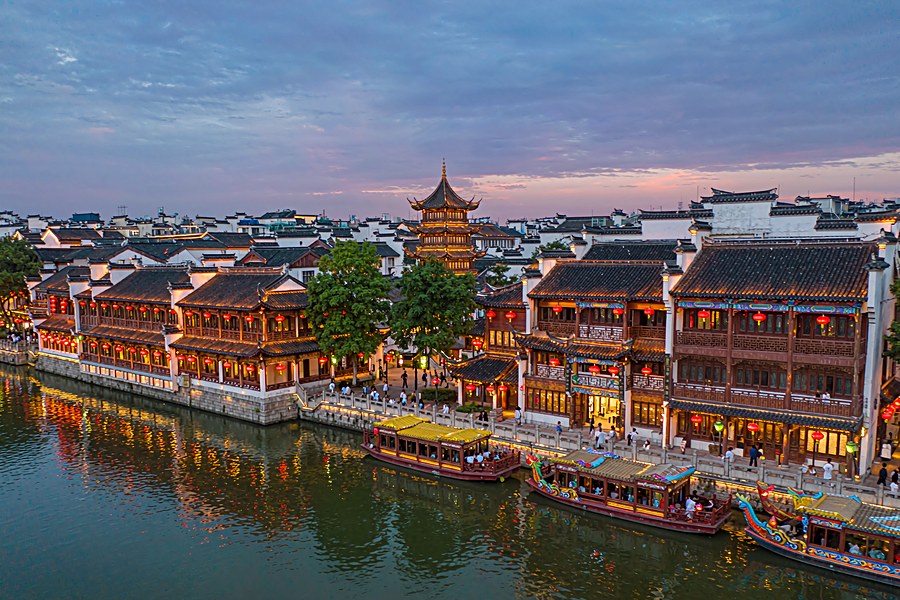
On the bank of the Qinhuai River.
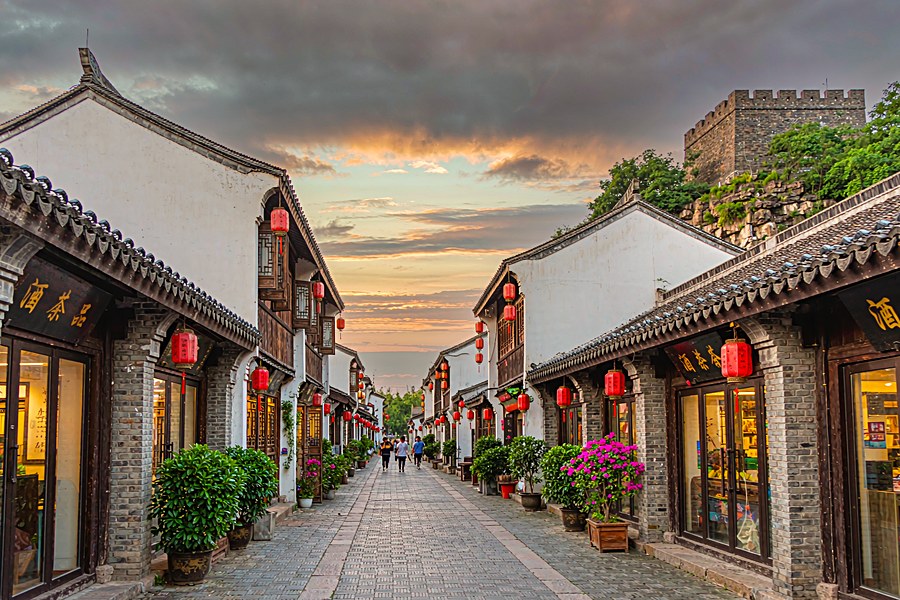
Laomendong historic district.
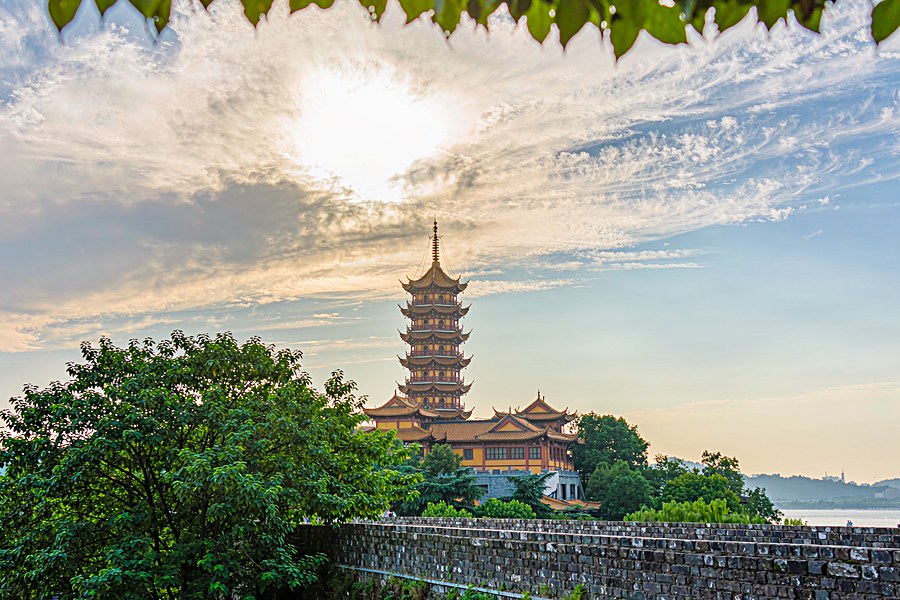
Ancient temple beside the Ming city wall.
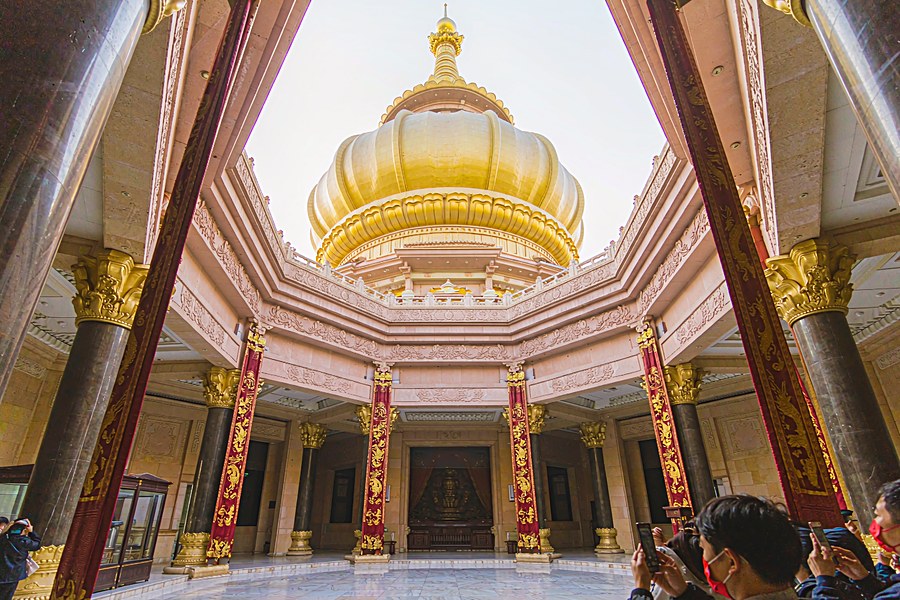
Home of the grand Usnisa Palace.
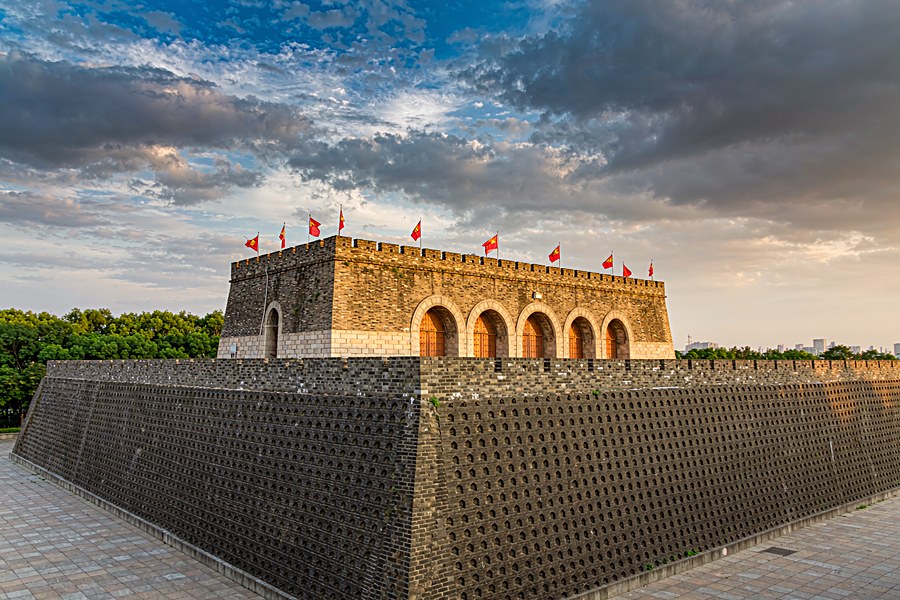
The largest castle-style city gate in China.
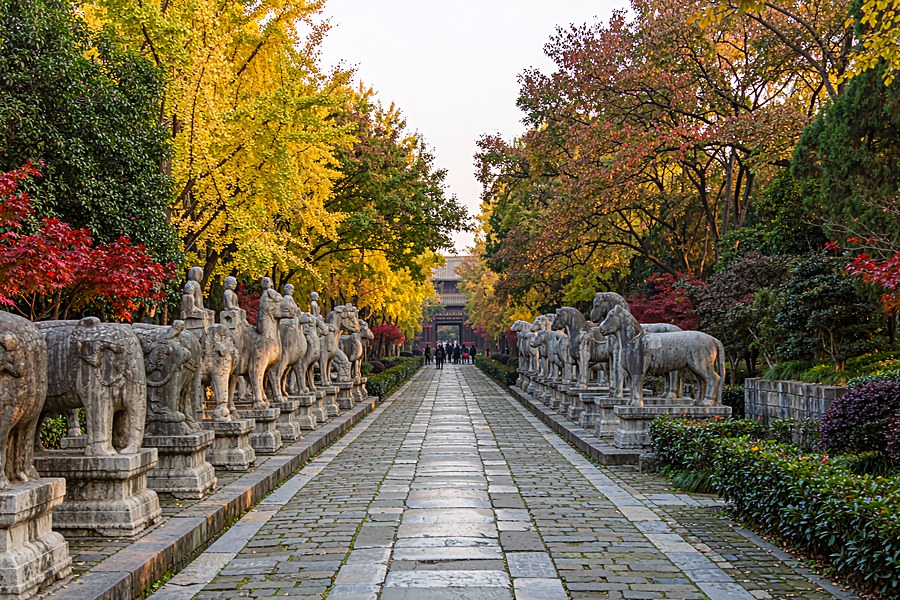
UNESCO World Heritage imperial tomb.
Modern Landmarks
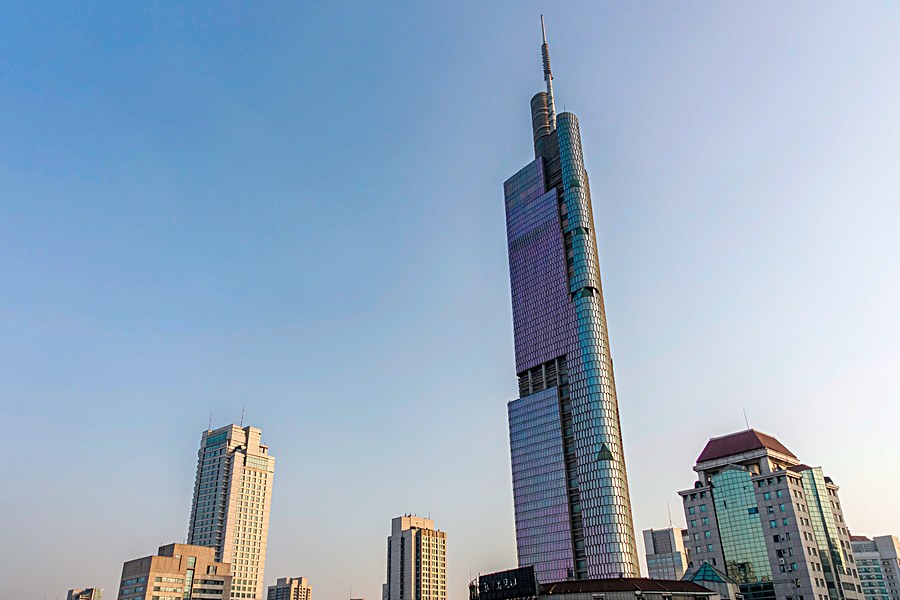
450 m high, among the tallest buildings in the world.
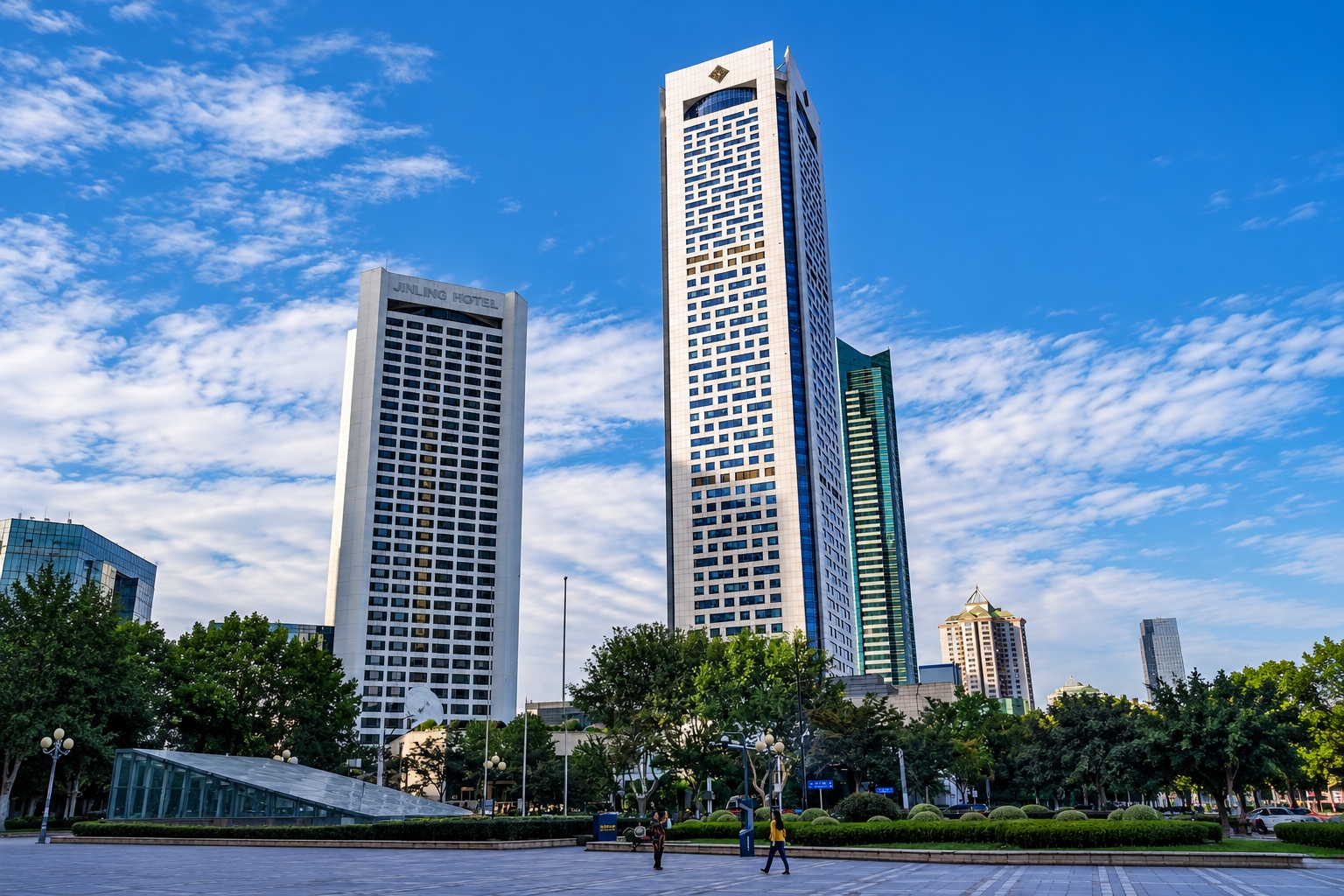
Built in 1983, the tallest building in China for 10 years.
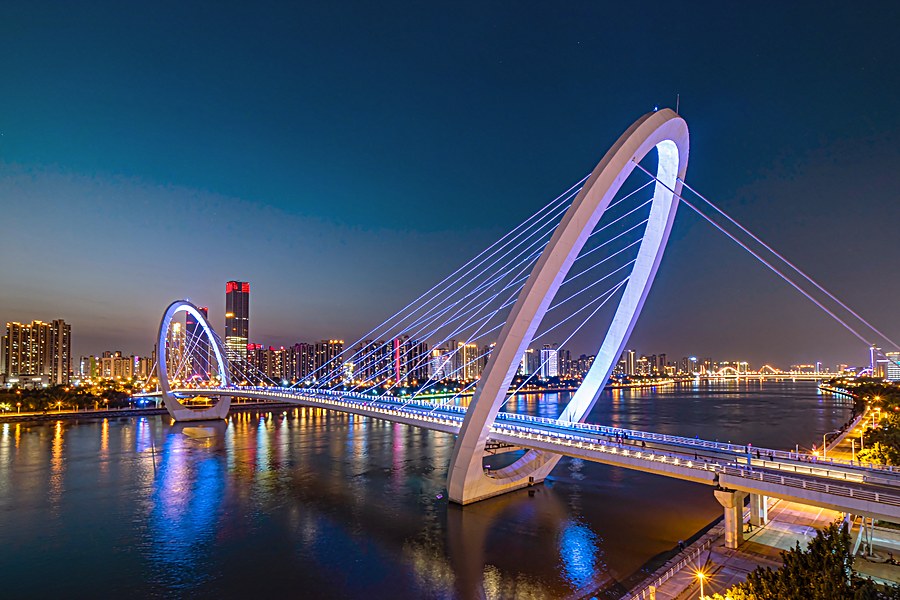
The first sightseeing footbridge on the Yangtze River.
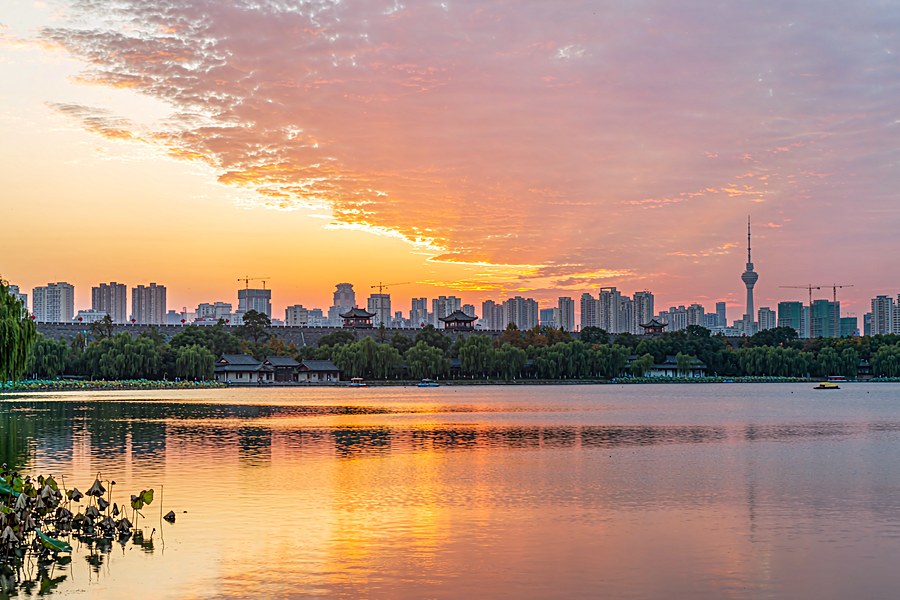
City lake framed by the skyline and the Ming city wall.
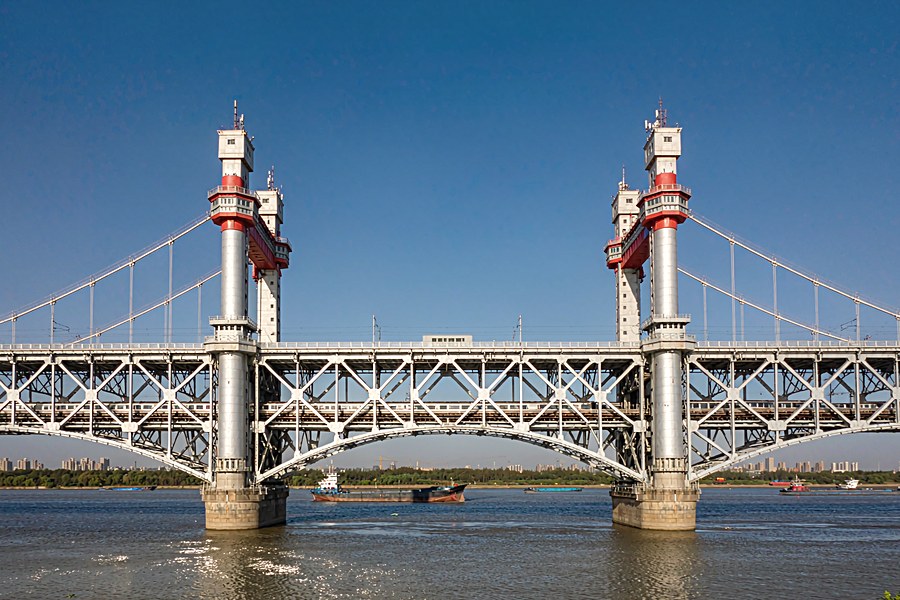
First road-rail bridge designed and built by China (1968).
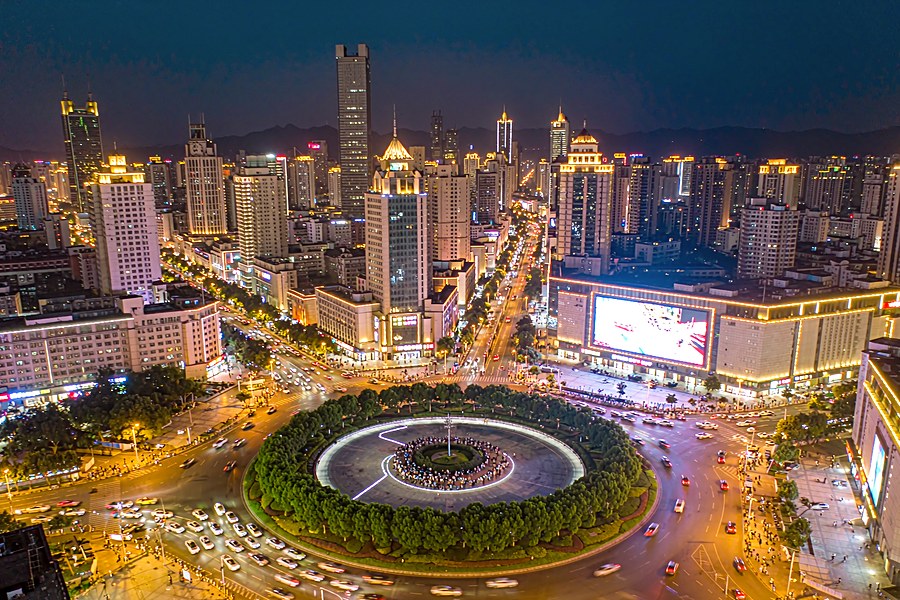
The busiest commercial hub of the city.
Food
Salted Duck, Nanjing Duck Soup, Roasted Duck, Big Bowl Noodles, Fried Beef Dumpling, Small Steamed Bun, Mei Ling Congee, Plum Cake.
No duck leaves Nanjing alive!
Transportation
As an important transport hub in China, Nanjing is well developed with one airport and three high-speed railway stations. It takes 1 hour from Shanghai to Nanjing by high-speed train. It takes 3-4 hours from Beijing to Nanjing by high-speed train and less than two hours by air.